
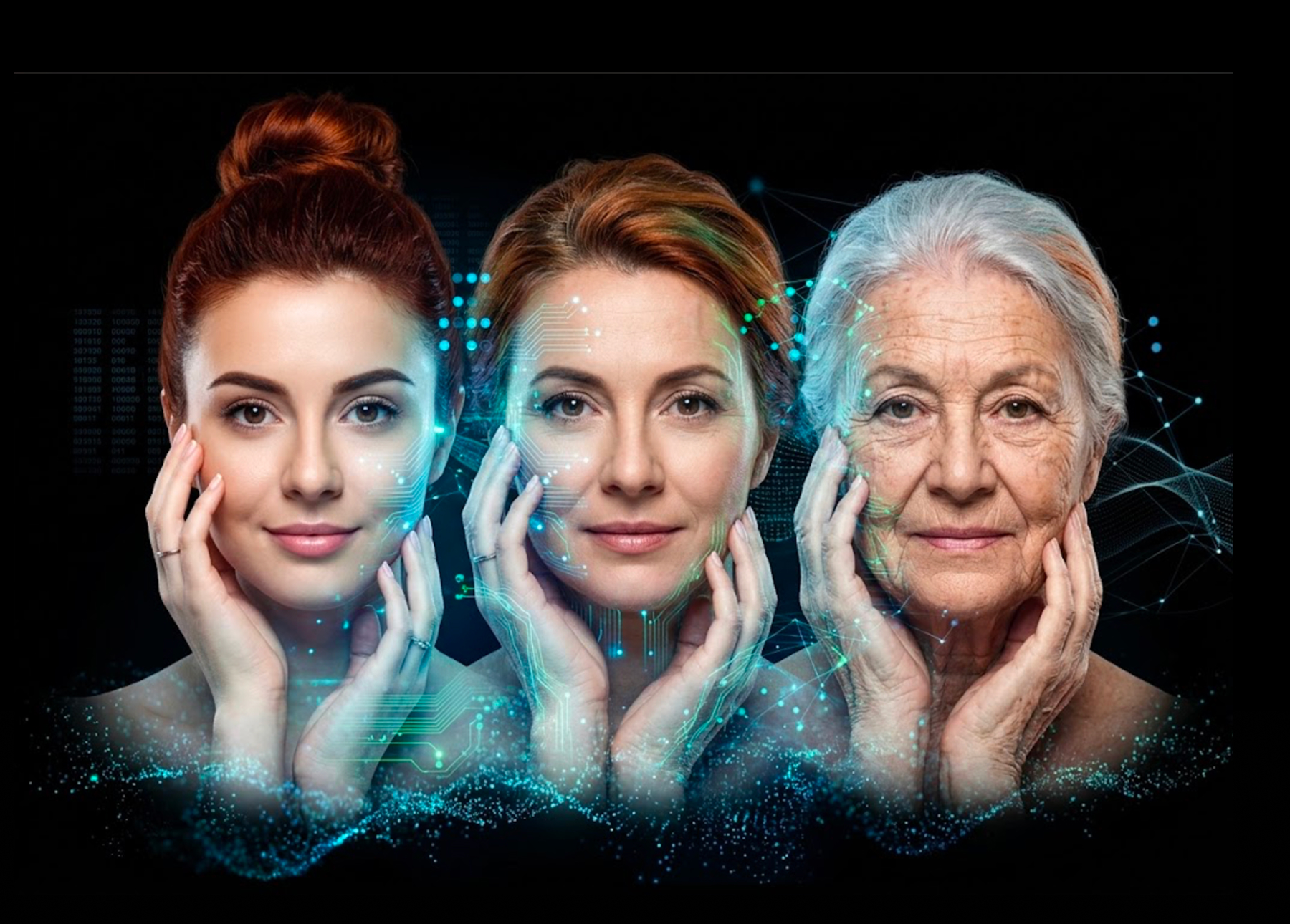
At Senolytix, we believelongevity medicine should be grounded in science, not hype. While aging is inevitable, the rate at which we age — and how well we function over time — is heavily influenced by lifestyle, environment, metabolic health, and targeted interventions.
Modern longevity research hasidentified several key biological processes known as the Hallmarks of Aging. These hallmarks help explain why our bodies change over time and provide a roadmap for therapies and strategies designed to support healthy aging.
What Are the Hallmarks of Aging?
The Hallmarks of Aging are interconnected biological mechanisms that gradually contribute to cellular dysfunction, inflammation, disease risk, and physical decline. Originally outlined in a landmark 2013 paper published in Cell, these hallmarks continue to shape the future of preventive and longevity medicine.
1. Genomic Instability
“Wear and tear” on our DNA. Every day, our cells experience damage from toxins, stress, poor sleep, UV exposure, inflammation, and normal metabolism. Over time, DNA repair mechanisms become less efficient, increasing the risk of disease and accelerated aging.
Strategies that may help: avoiding smoking and excessive alcohol, optimizing sleep quality, strength training and regular exercise, antioxidant-rich nutrition, stress management, and reducing environmental toxin exposure.
2. Telomere Shortening
The biological clock inside your cells. Telomeres are protective caps at the ends of chromosomes. Each time a cell divides, telomeres shorten slightly. Excessive shortening is associated with cellular aging and reduced regenerative capacity.
Factors associated with healthier telomeres: regular exercise, Mediterranean-style nutrition, stress reduction, adequate sleep, and healthy metabolic function.
3. Epigenetic Alterations
How lifestyle influences gene expression. Epigenetics refers to how behaviors and environmental factors influence which genes are “turned on” or “off.” Aging can disrupt these patterns over time.
Positive epigenetic influences include exercise, nutrient-dense diets, circadian rhythm optimization, reducing chronic inflammation, and maintaining healthy body composition.
4. Loss of Proteostasis
When damaged proteinsaccumulate. Your body constantly repairs and recycles proteins. With aging, this process becomes less efficient, contributing to neurodegeneration, fatigue, and cellular dysfunction.
Helpful strategies: resistance training, adequate protein intake, fasting or time-restricted eating (when appropriate), sleep optimization, and metabolic health support.
5. Mitochondrial Dysfunction
Declining cellular energy production. Mitochondria are the “power plants” of the cell. As they become less efficient, energy production declines and oxidative stress increases.
Ways to support mitochondrial health: exercise (especially Zone 2 cardio and resistance training), blood sugar optimization, nutrient support (magnesium, CoQ10, omega-3s), cold exposure, and adequate recovery and sleep.
6. Cellular Senescence
“Zombie cells” that promote inflammation. Senescent cells are damaged cells that no longer function properly but refuse to die. These cells release inflammatory compounds that can negatively affect surrounding tissue.
Emerging areas of research: exercise, weight management, anti-inflammatory nutrition, sleep optimization, and senolytic compounds currently under investigation.
7. Stem Cell Exhaustion
Reduced regenerative capacity. As we age, the body’s ability to repair tissue and recover from stress declines due to reduced stem cell activity.
Factors that may preserve regeneration: resistance training, hormonal optimization when clinically appropriate, sleep and recovery, maintaining lean muscle mass, and reducing chronic inflammation.
8. Altered Intercellular Communication
Chronic inflammation and metabolic signaling. One of the major drivers of aging is persistent low-gradeinflammation — sometimes referred to as “inflammaging.”
Strategies to reduce inflammatory burden: optimizing body composition, blood sugar control, sleep hygiene, gut health support, regular movement and exercise, and cardiovascular risk reduction.
Bio-Hacks vs. Foundational Health
While emerging therapies and advanced longevity interventions are exciting, the science consistently shows that the greatest return on investment still comes from foundational habits: sleep, nutrition, strength training, cardiovascular fitness, stress management, recovery, healthy body composition, and meaningful social connection.
The most effective“bio-hacks” build on these foundations — not replace them.
Where to Start
✓ Prioritize 7–9 hours of quality sleep
✓ Strength train at least 2–4 times weekly
✓ Improve protein intake and metabolic health
✓ Reduce ultra-processed foods and excess sugar
✓ Track cardiovascular and inflammatory biomarkers
✓ Optimize recovery and stress resilience
✓ Schedule preventive lab evaluations regularly
Longevity is not about chasing perfection. It is about consistently improving the systems that allow your body to remain resilient over time.
References
1. López-Otín C, et al. The Hallmarks of Aging. Cell. 2013;153(6):1194–1217.
2. López-Otín C, et al.Hallmarks of Aging: An Expanding Universe. Cell. 2023;186(2):243–278.
3. Booth FW, Roberts CK, LayeMJ. Lack of Exercise Is a Major Cause of Chronic Diseases. ComprehensivePhysiology. 2012.
How Senolytix Maps to the Hallmarks — And Why This Newsletter Is Really About Us
This newsletter is thescientific framework our entire practice is built on.
The Hallmarks of Aging are not an abstract concept at Senolytix. They are the organizing principle behind every diagnostic, every intervention, and every protocol we design. When wetrack inflammatory markers, we are addressing altered intercellular communication. When we optimize hormones, we are supporting stem cell function and proteostasis. When we prescribe resistance training, we are protectingmitochondrial density and telomere health. When we perform therapeutic apheresis, we are directly targeting cellular senescence — the hallmark our practice is named for.
No other longevity practice maps its clinical model to this framework with this level of specificity. Here is how:
Hallmark by hallmark:
• Genomic Instability → Advanced diagnostics identify oxidative stress, nutrient deficiencies, and inflammatory drivers that accelerate DNA damage. We intervene with precision nutrition, targeted supplementation, and metabolic optimization.
• Telomere Shortening → We address the upstream drivers of telomere attrition — inflammation, metabolic dysfunction, hormonal decline — through the same pathways we optimize across every patient’s protocol.
• Epigenetic Alterations → We track biological aging indicators and verify whether lifestyle and clinical interventions are producing measurable epigenetic improvement.
• Loss of Proteostasis → Resistance training, adequate protein strategy, fasting protocols, and sleep optimization are all prescribed to support the protein repair and recycling systems that decline with age.
• Mitochondrial Dysfunction → Zone 2 training, HIIT, NAD+ and CoQ10 support, and metabolic optimization are designed to preserve and enhance the cellular energy systems that power everything.
• Cellular Senescence → This is the hallmark our practice is named for. Therapeutic apheresis clears pro-inflammatory senescent cell signals from circulation. Our entire anti-inflammatory and metabolic framework is designed to reduce the senescent cell burden that drives biological aging.
• Stem Cell Exhaustion → Hormone optimization, resistance training, sleep, and inflammation reduction all support their regenerative capacity that declines with age.
• Altered Intercellular Communication → Chronic inflammation is the throughline. We track it, intervene on it, and measure whether it’s improving — through labs, body composition, and clinical outcomes.
This is not a newsletter we wrote to seem scientific. It is the science we built a practice around.
WHY SENOLYTIX?
Every hallmark of aging has a corresponding intervention in our practice. That is not a coincidence. It is how we were built.
Senolytix is named after the science of cellular senescence — one of the recognized hallmarks of aging. But our clinical model addresses all of them: genomic stability through metabolic and nutritional optimization, telomere health through inflammation control and lifestyle strategy, epigenetic improvement through verified biological age tracking, mitochondrial function through exercise and nutraceutical support, proteostasis through resistance traiand protein strategy, stem cell vitality through hormonal optimization, and inflammatory signaling through therapeutic apheresis and precision diagnostics. This is a practice designed from the science up.
This is longevity medicine built on the same framework the science is built on.
What We’re Working On
The Hallmarks of Aging are our organizing framework — and we continue to deepen how we address each one. Current priorities include:
• Expanding biological age assessment to give patients a longitudinal, hallmark-by-hallmark view of how their body is aging and where interventions are producing the greatest impact
• Refining therapeutic apheresis protocols with increasing specificity toward the inflammatory and senescent cell markers most directly linked to accelerated biological aging
• Integrating hallmark-specific biomarker panels into our standard diagnostic workflow — so every patient’s protocol is mapped to the aging mechanisms most relevant to their biology
• Building the most comprehensive, hallmark-alignedlongevity model available in a clinical setting — one that combines precision diagnostics, physician-led interventions, and structured lifestyle protocols into a single, accountable system
The science of aging has a framework. So does our practice. Expect more in future newsletters.


