
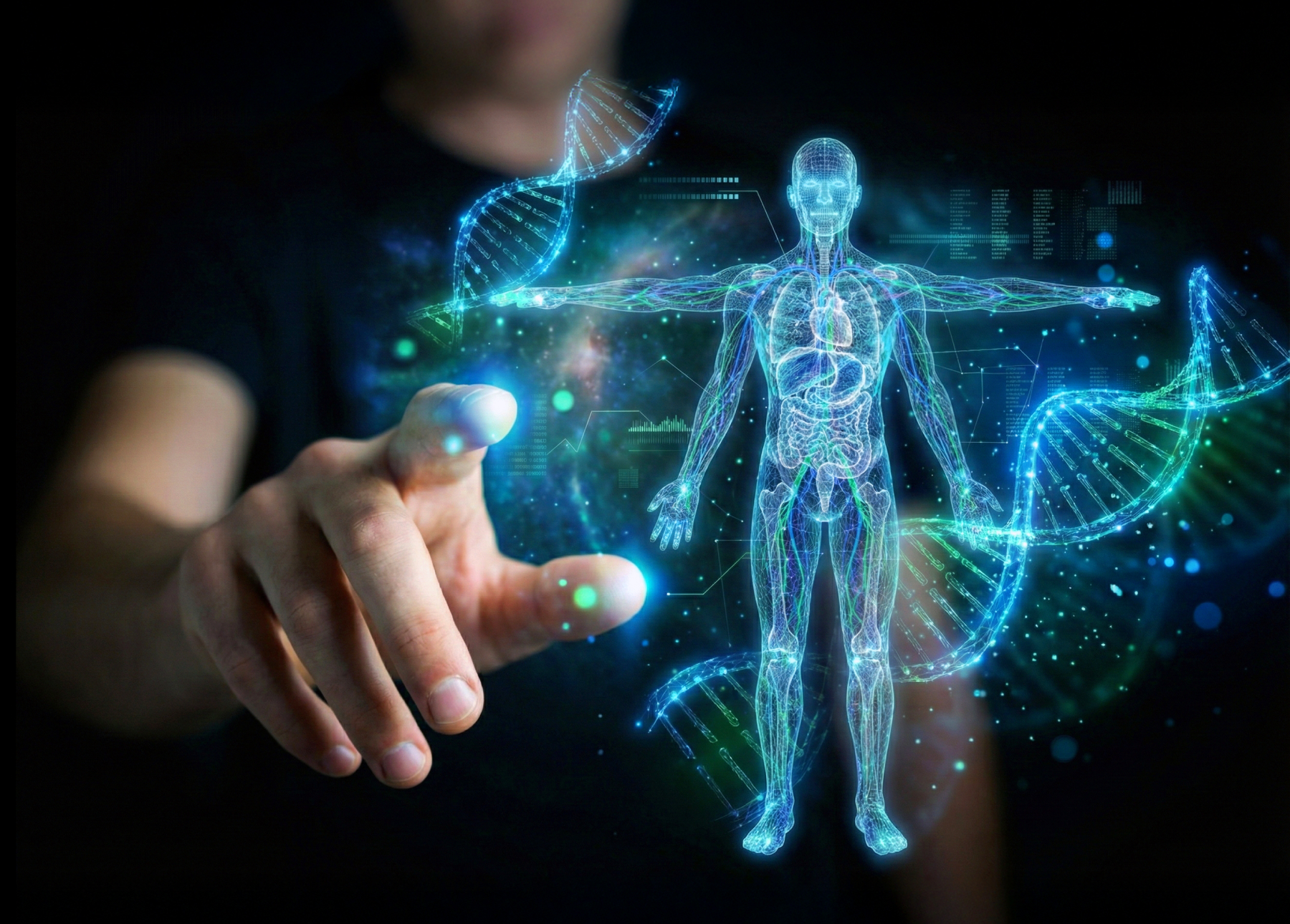
Longevity medicine is no longer focused solely on extending lifespan - it is centered on extending Healthspan. Healthspan is the number of years we live with strength, clarity, independence, and vitality. As research accelerates and technology advances -medicine is rapidly shifting from reactive disease treatment to proactive, personalized optimization. The future of longevity medicine is already taking shape and it is redefining how we think about aging.From Disease Management to Health OptimizationTraditional healthcare is designed to diagnose and treat illnesses once symptoms appear. Longevity medicine inverts this model. The future lies in identifying risks before disease develops and intervening early to slow, prevent, or even reverse dysfunction.
This means:
- Detecting metabolic, inflammatory, and hormonal imbalances decades earlier
- Addressing root causes rather than isolated symptoms
- Personalizing interventions based on individual biology
The goal is not simply to live longer, but to remain physically capable, cognitively sharp, and emotionally resilient as we age.
Precision Medicine and Advanced Diagnostics
One of the most significant drivers of longevity medicine is precision diagnostics. Standard lab ranges are being replaced with optimal targets tailored to the individual.
Emerging tools include:
- Advanced cardiovascular and metabolic markers (ApoB, insulin resistance, inflammation indices)
- Hormone profiling across the lifespan, not just at deficiency
- Biological age testing that reflects cellular and metabolic aging rather than chronological age
- Continuous monitoring technologies that provide real-time feedback on glucose, sleep, stress, and recovery
As diagnostics become more sophisticated, treatment becomes more targeted, efficient, and effective.
Hormone Optimization as a Cornerstone
Hormones play a critical role in muscle mass, bone density, cognition, mood, cardiovascular health, and metabolic function. The future of longevity medicine recognizes hormone optimization - not just replacement - as a foundational strategy.Rather than waiting for severe deficiency, clinicians are increasingly:
- Supporting hormones within optimal physiologic ranges
- Individualizing therapy based on symptoms, labs, and goals
- Monitoring long-term outcomes such as strength, energy, sleep, and cognitive performance
Hormone optimization is no longer viewed as cosmetic or optional - it is increasingly recognized as central to healthy aging.
Regenerative and Cellular Therapies
Longevity medicine is moving toward interventions that support cellular repair and regeneration. Research into senescent cells (damaged “zombie” cells that accumulate with age), mitochondrial function, and tissue repair is expanding rapidly.
Key areas of focus include:
- Therapies that reduce chronic inflammation and cellular senescence
- Strategies to improve mitochondrial energy production
- Regenerative approaches that support tissue resilience and recovery
These advances aim to slow the biological processes of aging at the cellular level, not just manage their downstream effects.
Lifestyle as Medicine - Backed by Data
Exercise, nutrition, sleep, and stress management have always mattered - but the future of longevity medicine treats them as precision tools rather than general advice.
Data-driven lifestyle medicine allows:
- Personalized exercise prescriptions to preserve muscle and bone
- Nutrition strategies tailored to metabolic health and inflammation
- Sleep optimization to enhance cognitive function and hormonal balance
- Stress modulation to protect cardiovascular and immune health
Lifestyle interventions are no longer generic - they are measurable, trackable, and individualized.
A Shift Toward Proactive, Relationship-Based Care
Perhaps the most important shift is philosophical. Longevity medicine emphasizes long-term partnerships between patients and clinicians, with ongoing monitoring, education, and refinement.
This model values:
- Prevention over crisis management
- Education over quick fixes
- Long-term outcomes over short-term symptom suppression
Patients become active participants in their health, empowered by knowledge, data, and personalized strategies.
Looking Ahead
The future of longevity medicine is integrative, personalized, and proactive. It blends cutting-edge science with foundational principles of human health - movement, nourishment, rest, and balance - guided by advanced diagnostics and thoughtful clinical care.As this field continues to evolve, one thing is clear: aging is no longer something we simply endure. With the right tools and guidance, aging is something we can actively shape.Longevity medicine is not about chasing youth - it is about preserving vitality, function, and quality of life for decades to come.
.svg)

.svg)


.svg)
.svg)

.svg)