
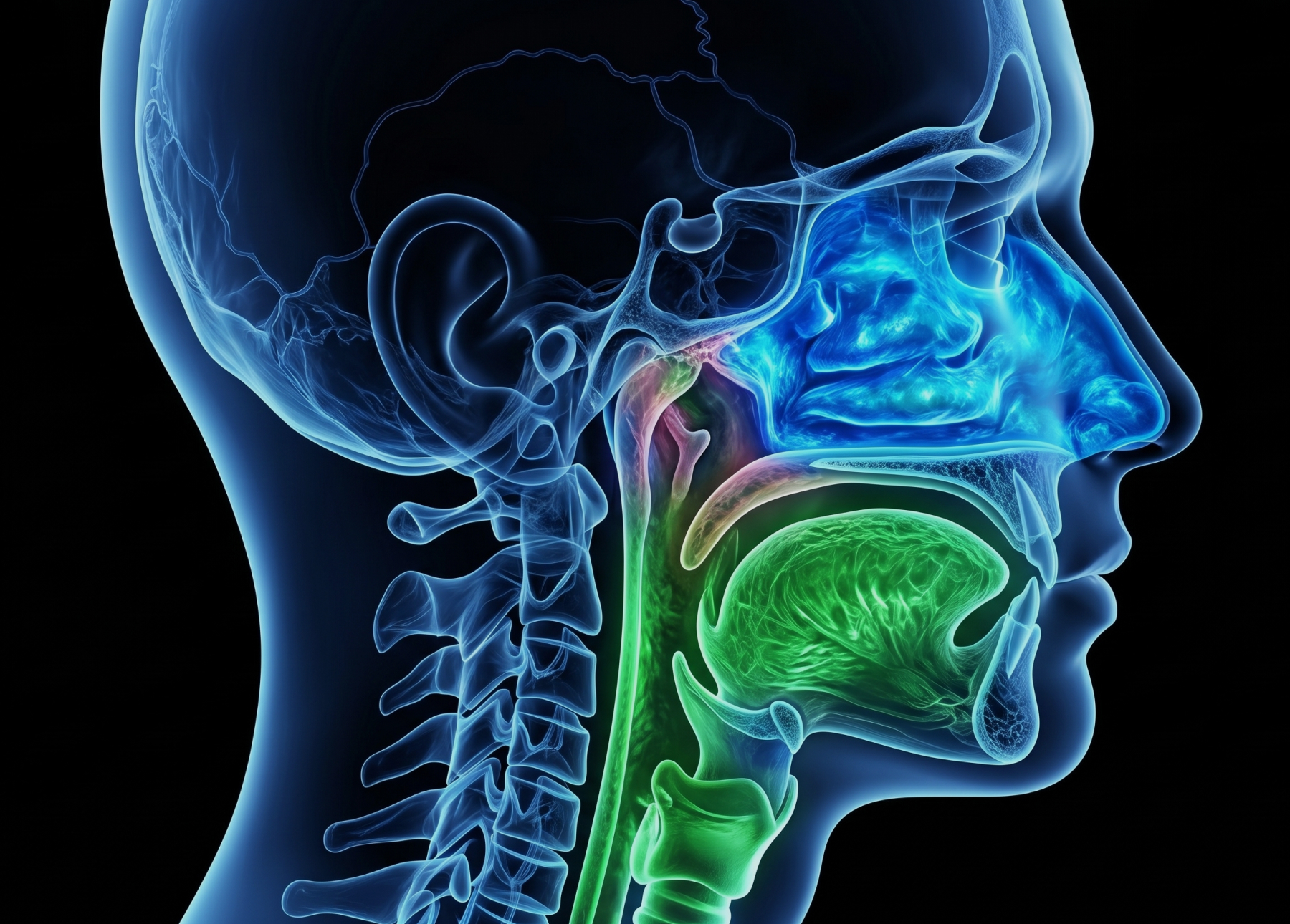
The sense of smell is one of the most underappreciated systems in the human body — yet it has one of the most direct connections to memory, emotion, and brain health. In longevity medicine, researchers are increasingly exploring how olfactory stimulation may support neuroplasticity, cognitive performance, and healthy aging.
Recent work from neuroscientists such as Michael Leon and related olfactory enrichment research has opened a fascinating discussion around whether targeted scent exposure may help preserve memory and cognitive resilience as we age.
Why Smell Matters to the Brain
Unlike vision or hearing, olfactory signals travel directly to areas of the brain involved in memory and emotional processing, including the hippocampus and amygdala. This intimate neurological connection is why certain scents can instantly trigger vivid memories or emotional responses.
Loss of smell has also been associated with increased risk of cognitive decline, neurodegenerative disease, and reduced quality of life. Researchers now believe that maintaining olfactory stimulation may play a role in supporting healthy neural networks over time.
What Is Olfactory Therapy?
Olfactory therapy — also called olfactory training or olfactory enrichment — involves repeated exposure to multiple scents in a structured manner. Historically, it has been used to help patients recover smell function after viral illness, trauma, or neurological injury.
More recently, researchers have begun investigating whether olfactory stimulation may also:
• Enhance neuroplasticity
• Improve memory consolidation
• Support cognitive reserve
• Improve emotional regulation
• Reduce stress-related cognitive effects
• Potentially delay aspects of cognitive aging
Studies suggest that repeated exposure to novel odors activates brain regions associated with learning and memory while promoting structural and functional neural adaptation.
The Research Behind Professor Michael Leon’s Work
One of the most compelling modern investigations into olfactory enrichment comes from research led by Michael Leon at the University of California, Irvine.
In a widely discussed study, older adults were exposed to rotating scents during sleep for several months using an odor-diffusion system. Participants receiving nighttime olfactory enrichment demonstrated remarkable improvements in memory performance compared to controls. Researchers also observed changes in brain pathways associated with memory processing.
The concept behind this research is not traditional aromatherapy. Rather than repeatedly using a single calming scent, olfactory enrichment emphasizes exposure to a variety of novel odors to stimulate broader neural activation and sensory engagement.
What Is Memory Air?
Memory Air is a consumer wellness device inspired by this body of research. Developed from the olfactory enrichment work associated with Professor Leon and colleagues, the system releases rotating scents during sleep with the goal of supporting memory and cognitive wellness.
According to published descriptions of the technology, the objective is to create passive nighttime sensory stimulation that engages memory-related brain circuits while sleeping.
While Memory Air should not be viewed as a treatment for dementia or neurological disease, it represents an intriguing example of how non-pharmacologic interventions may support brain longevity strategies.
Olfactory Enrichment and Longevity Medicine
Longevity medicine increasingly focuses on preserving healthspan — the quality and functionality of life as we age. Cognitive preservation is central to this mission.
Olfactory enrichment aligns with several core longevity principles:
• Supporting neuroplasticity
• Maintaining sensory engagement
• Encouraging cognitive stimulation
• Promoting sleep-associated memory consolidation
• Utilizing low-risk, non-invasive interventions
Emerging evidence also suggests olfactory training may positively influence mood, stress resilience, and emotional processing — factors deeply connected to long-term cognitive health.
Practical Ways to Support Olfactory Health
While research continues to evolve, there are several practical ways individuals may support olfactory and cognitive wellness:
• Regular exposure to a variety of natural scents
• Avoiding smoking and environmental toxins
• Treating chronic sinus inflammation when present
• Engaging in cognitive and physical exercise
• Prioritizing restorative sleep
• Considering structured olfactory training protocols under guidance
Some clinicians also incorporate essential oil rotation or scent-training kits as part of broader cognitive wellness programs.
Important Perspective
Although the early findings are exciting, olfactory therapy remains an emerging field. More large-scale clinical trials are needed before definitive conclusions can be made regarding prevention of Alzheimer’s disease or long-term cognitive decline.
However, the growing body of evidence surrounding smell, neuroplasticity, and memory offers a compelling reminder: the brain thrives on stimulation, novelty, and sensory engagement throughout life.
Evidence-Based Articles Supporting Olfactory Therapy Research
1. Overnight Olfactory Enrichment Using an Odorant Diffuser Improves Cognition in Older Adults — Frontiers in Neuroscience, 2023. This study demonstrated significant cognitive improvement in older adults exposed to rotating nighttime scents over six months.
2. Does Olfactory Training Improve Brain Function and Cognition? — Systematic Review, 2023–2024. Researchers concluded that olfactory training shows emerging evidence for improving cognition, verbal learning, and neural connectivity.
3. Olfactory Training — Thirteen Years of Research Reviewed — Neuroscience & Biobehavioral Reviews, 2022. A comprehensive review demonstrating that olfactory training may induce behavioral and neuroanatomical changes associated with neuroplasticity.
4. Long-Term Olfactory Enrichment Promotes Healthy Cognitive Aging — 2024 Experimental Research. This research demonstrated structural brain remodeling and improved cognitive aging associated with prolonged olfactory enrichment.
How Senolytix Thinks About Brain Longevity — And Why This Research Matters to Us
Most longevity practices focus on metabolic health, cardiovascular fitness, and body composition. Those are critical. But at Senolytix, cognitive preservation is not an afterthought — it’s a core pillar of our longevity model.
That’s partly because our practice is led by Dr. Brett Osborn, a board-certified neurosurgeon. He doesn’t just read about the brain. He has spent his career operating on it, studying its vulnerabilities, and understanding what protects it over time.
Olfactory therapy is an emerging field, and we present it here with appropriate scientific caution. But the underlying principle — that the brain requires stimulation, novelty, and structured engagement to maintain its architecture — is well established. And it’s the kind of principle we build protocols around.
What our approach to cognitive longevity looks like in practice:
• Neuroinflammation as a clinical target. Chronic inflammation doesn’t just accelerate metabolic aging — it degrades neural tissue. We track inflammatory biomarkers and address systemic inflammation through targeted interventions including anti-inflammatory nutrition, hormone optimization, and therapeutic apheresis.
• Hormonal health as neuroprotection. Testosterone, estrogen, thyroid hormones, and growth hormone signaling all influence cognitive performance, mood, and neural resilience. We optimize these pathways as part of every patient’s protocol — not as an add-on, but as a direct investment in brain longevity.
• Cardiovascular fitness and the brain. VO₂ Max and cerebrovascular health are deeply linked. Higher cardiorespiratory fitness is associated with better cognitive outcomes. We prescribe exercise protocols that protect the brain as much as the heart.
• Sleep architecture as cognitive infrastructure. Memory consolidation, glymphatic clearance, and neural repair happen during sleep. We address sleep quality as a measurable clinical variable — not a generic lifestyle tip.
• Emerging interventions, evaluated rigorously. We stay current with emerging research like olfactory enrichment, and we share it with our patients when the evidence warrants attention — always with appropriate context about what the data does and does not yet support.
This is the difference between reading about brain health and having a neurosurgeon build a strategy around it.
WHY SENOLYTIX?
Your brain deserves the same precision as your bloodwork. We treat it that way.
Senolytix is led by Dr. Brett Osborn — a board-certified neurosurgeon who brings surgical-level understanding of the brain to every longevity protocol. Cognitive preservation at Senolytix is not a wellness aspiration. It’s a clinical objective — pursued through neuroinflammation management, hormonal optimization, cardiovascular fitness, sleep architecture improvement, and rigorous evaluation of emerging interventions. We protect the brain the way we protect every system: with data, precision, and accountability.
This is longevity medicine where cognitive health is led by a neurosurgeon — not left to chance.
What We’re Working On
At Senolytix, cognitive longevity is an area of active focus and ongoing refinement. Current areas of attention include:
• Deepening our integration of neuroinflammatory markers with systemic longevity protocols — tracking how reductions in inflammatory load correlate with cognitive and mood improvements over time
• Evaluating emerging non-pharmacologic interventions like olfactory enrichment for potential inclusion in patient cognitive wellness frameworks — with the evidence-based caution they require
• Correlating cardiovascular fitness data (VO₂ Max, HRV) with cognitive performance indicators to build a more complete model of brain aging in our patient population
• Refining how hormone optimization protocols — particularly testosterone, thyroid, and growth hormone pathways — are calibrated to support neuroprotection alongside metabolic and physical performance
The brain is the organ that makes everything else matter. We intend to protect it accordingly. Expect more in future newsletters.
.svg)

.svg)


.svg)
.svg)

.svg)